
There are places where the past does not whisper—it resounds. Walk among the ruins of an ancient city, and every carved stone, every weathered column, is not merely inert matter but a voice. Together, they form a chorus of memory, echoing across centuries. This is the true legacy of antiquity: stones that still speak.
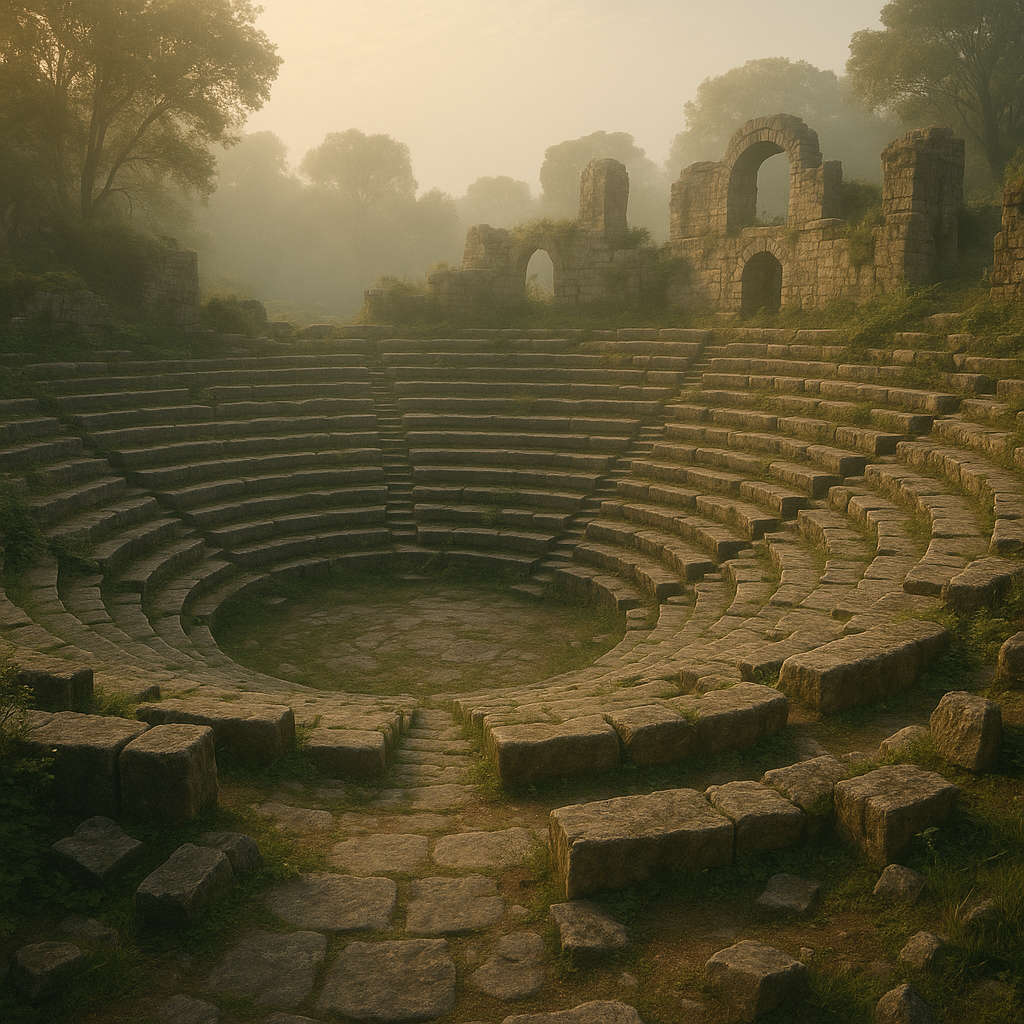
From the stepped ziggurats of Mesopotamia to the marble amphitheaters of Rome, humanity’s oldest monuments were never meant to remain silent. They were stage, scripture, and sanctuary—built as a dialogue with gods, rulers, and posterity. Even today, when rain has eroded inscriptions and vines creep across their flanks, they continue their work, compelling us to stop, listen, and wonder.
Architecture as Oratory
Consider the Parthenon. Its symmetry was not an accident of aesthetics but a statement of divine proportion, meant to manifest order in a world of chaos. Likewise, the Egyptian pyramids were not only tombs but testimonies—triangles pointing skyward, declaring the eternity of pharaohs. These structures remain legible even without translation. They declare power, ambition, and the human need to outlast time itself.
Every arch, every lintel, every brick bears the fingerprints of hands now dust. In their endurance lies an unbroken speech, one not bound by language but by form. Architecture became humanity’s first universal tongue.
The Script of Symbols
Antiquity did not confine itself to stone. Carved glyphs, painted frescoes, and etched coins all expanded the vocabulary of legacy. A Roman coin still glimmers faintly with the profile of an emperor—his nose aquiline, his gaze eternal. A Mayan stela records not just lineage but prophecy. The mere survival of these objects gives them power: fragments of voices once thought lost, rescued from oblivion by soil, by sand, by accident.
Myth Made Matter
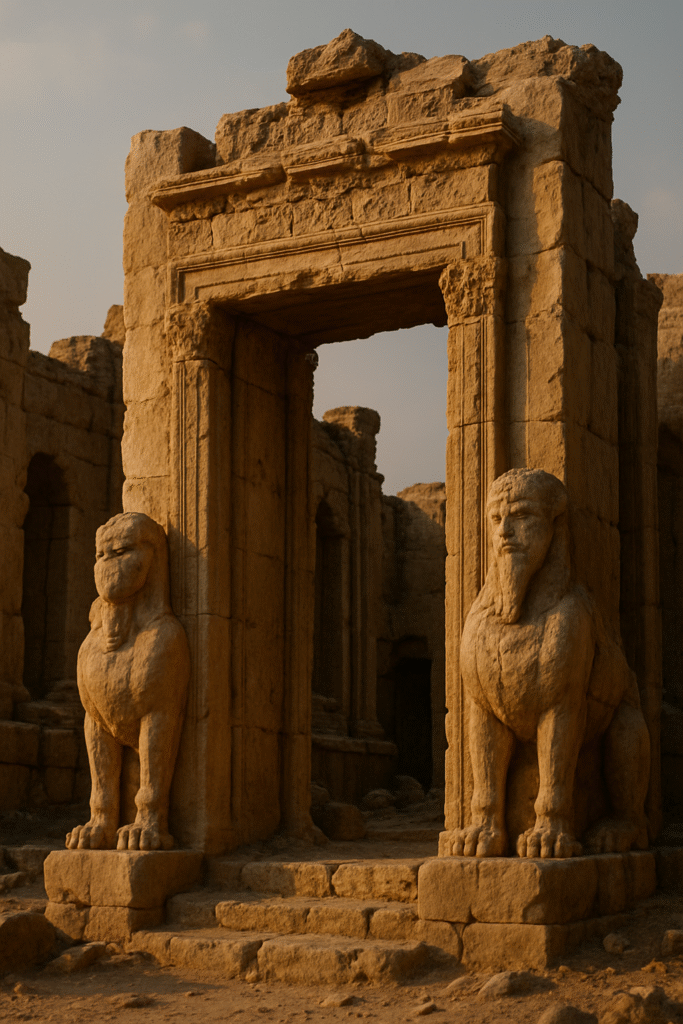
Equally important is the way ancient myths were chiseled into matter. The winged bulls of Assyria were more than guardians; they were beliefs embodied in stone, watching with eyes that still unsettle us. In Greece, statues of gods blurred divinity and humanity, immortalized in marble forms that still command reverence even when their limbs lie broken in museums.
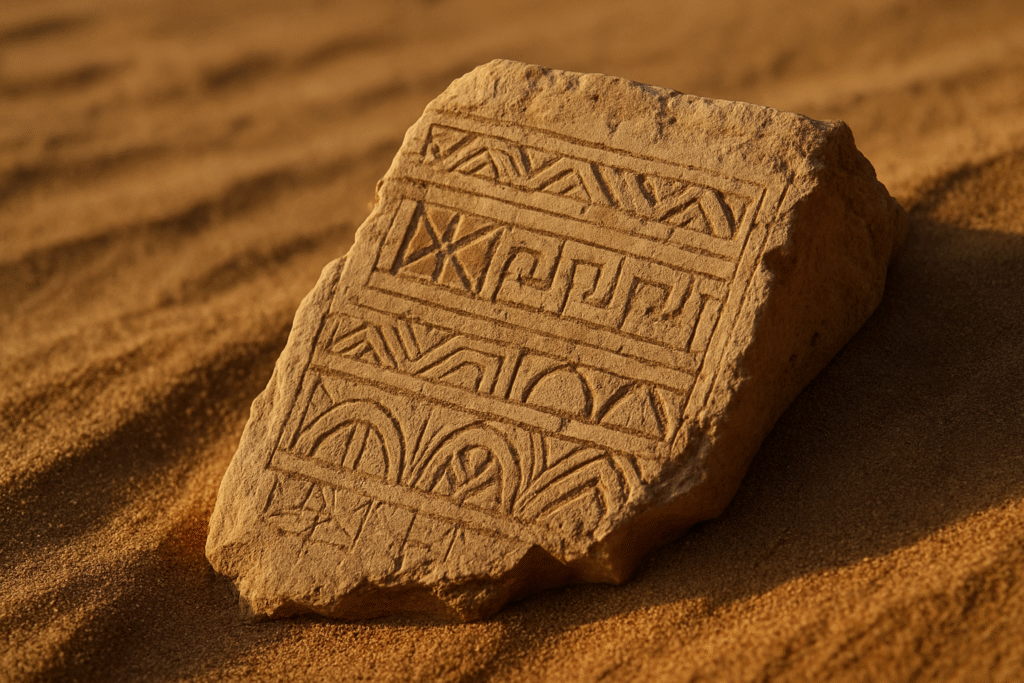
Antiquity’s genius lay not only in building but in embodying stories. Myths were made visible. And so, long after their spoken tales faded, their sculpted echoes remain.
Ruins as Reminders
When we encounter these legacies today, whether as travelers standing before Angkor Wat’s towers or as archaeologists dusting fragments of clay tablets, we participate in the same act: listening. Ruins are reminders that civilizations are both mighty and mortal. What outlasts them are not only artifacts, but lessons.
The fall of Bronze Age kingdoms still warns us about fragile trade networks and overextended empires. The ruins of Pompeii caution us about nature’s indifference to human grandeur. Every ruin is at once a record of triumph and a warning against hubris.
The Dialogue Continues
The legacy of antiquity is not closed. It is a conversation carried forward. Each rediscovery—whether the Rosetta Stone unlocking Egyptian hieroglyphs or a newly excavated mosaic in Syria—adds another line to the dialogue. Antiquity is not behind us; it walks with us, shaping our architecture, our symbols, even our myths.
We inherit not just the stones but the stories, not just the ruins but the questions: How will our own civilizations speak when we are gone? What will we carve, what will we build, that will still speak when the winds of millennia scour our names away?
In the end, perhaps this is the deepest truth: antiquity does not simply survive—it converses. And it waits, patient as stone, for us to listen.

Reply